

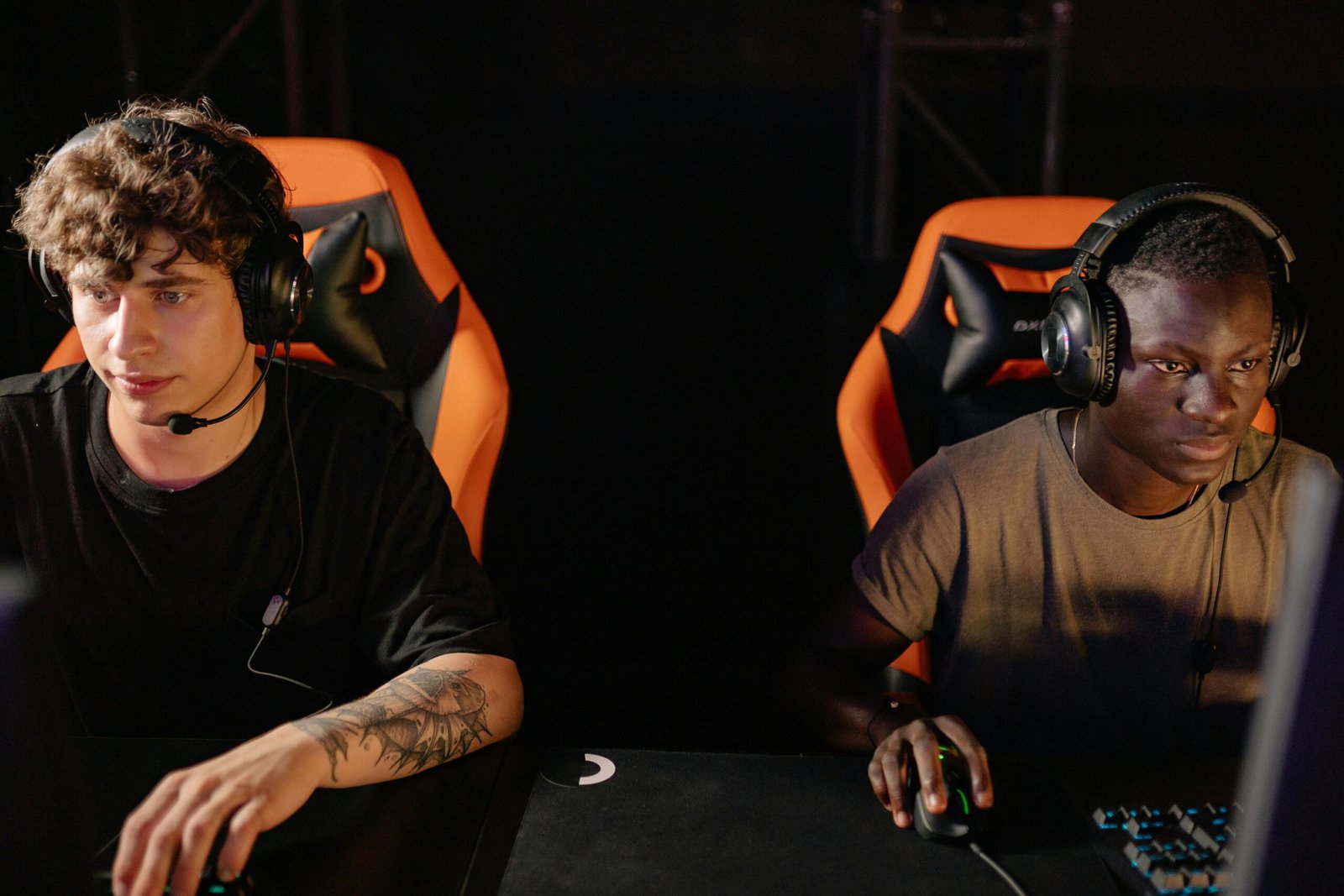
Not long ago, gaming meant sitting alone with a console, passing levels in silence. Today, things feel very different. Screens have become windows into shared worlds. Strangers become teammates. Friends become rivals. And suddenly, a simple slot97 is no longer just a pastime—it’s a lifestyle.
So what changed? Why has this digital culture grown so fast, and why does it matter more than ever?
How the Online Game World Took Over
Think about the last time you saw someone playing a game. Were they alone? Probably not. Chances are, they were chatting through a headset, laughing, competing, or even streaming their gameplay.
The shift began with better internet access. Faster speeds made real-time interaction possible. Then came mobile devices, putting gaming into everyone’s pocket. Now, whether someone is in a busy city or a quiet village, they can join the same match within seconds.
This accessibility changed everything. Gaming stopped being a solo hobby and turned into a shared experience. It became social. It became global.
More Than Just Entertainment
At first glance, gaming still looks like fun and nothing more. But look closer. There’s something deeper happening.
People build friendships through games. Some even meet lifelong partners. Others find a sense of belonging they couldn’t find elsewhere. In many ways, these virtual spaces offer real emotional connections.
Consider a student who struggles to fit in at school. Online, they might lead a team, make decisions, and earn respect. That confidence doesn’t stay on the screen. It carries into real life.
Isn’t that powerful?
The Role of Competition and Creativity
Competition has always been part of gaming. But now, it’s on a completely new level. Tournaments attract millions of viewers. Players train for hours. Some even turn gaming into full-time careers.
Yet, it’s not just about winning.
Creativity plays a huge role too. Players design characters, build worlds, and create stories. In sandbox-style games, imagination becomes the main tool. One player builds a city. Another recreates a famous landmark. Someone else invents an entirely new universe.
This blend of competition and creativity keeps players engaged. It also makes every experience unique.
Streaming and Community Growth
Have you ever watched someone else play a game for hours? It might sound strange, but millions do it every day.
Streaming platforms turned players into entertainers. Viewers don’t just watch gameplay. They connect with personalities. They laugh at mistakes. They celebrate victories.
This created a strong sense of community. Fans gather around shared interests. They interact in real time. They feel like they belong to something bigger.
And that’s the key. Gaming is no longer just about playing. It’s about sharing.
The Influence on Modern Culture
Look at fashion, music, and even language today. You’ll notice gaming influences everywhere.
Phrases from games become everyday slang. Characters inspire clothing styles. Soundtracks gain popularity outside gaming circles.
Even brands are paying attention. They collaborate with game developers to reach younger audiences. Why? Because gaming culture is no longer niche. It’s mainstream.
And it continues to grow.
Challenges Behind the Screens
Of course, not everything is perfect.
Spending too much time gaming can affect health. Sleep patterns get disrupted. Responsibilities may be ignored. Some players struggle to find balance.
There’s also the issue of online behavior. Toxic interactions can ruin the experience. Not every community feels welcoming.
But awareness is increasing. Many platforms now promote healthy habits. They encourage breaks. They provide tools to report negative behavior.
The goal is simple: make gaming enjoyable and safe for everyone.
Why the Online Game Trend Keeps Growing
So, what keeps pulling people back?
It’s the mix of excitement, connection, and endless possibilities. No two sessions feel the same. Every match brings a new story.
One day, you might lose badly. The next, you might achieve something incredible. That unpredictability keeps players hooked.
Also, technology continues to evolve. Virtual reality, augmented reality, and advanced graphics are making experiences more immersive. The line between real and digital keeps getting thinner.
And as long as that line exists, curiosity will keep people exploring.
A New Digital Lifestyle
Gaming is no longer just something people do in their free time. For many, it’s part of daily life.
After a long day, logging into an online game feels like stepping into a familiar space. A place where stress fades. Where friends are waiting. Where new adventures begin.
It’s not just about escaping reality. It’s about enhancing it.
Final Thoughts
The rise of gaming culture reflects something deeper about human nature. We seek connection. We love stories. We enjoy challenges. And we adapt quickly to new ways of experiencing all three.
So the next time you see someone immersed in an online game, don’t just think of it as play. Think of it as a modern form of interaction, creativity, and expression.
Curious to experience it yourself? Maybe it’s time to pick up a controller, join a session, and see where the journey takes you.